
Why Business Ethics Matter More Than Ever
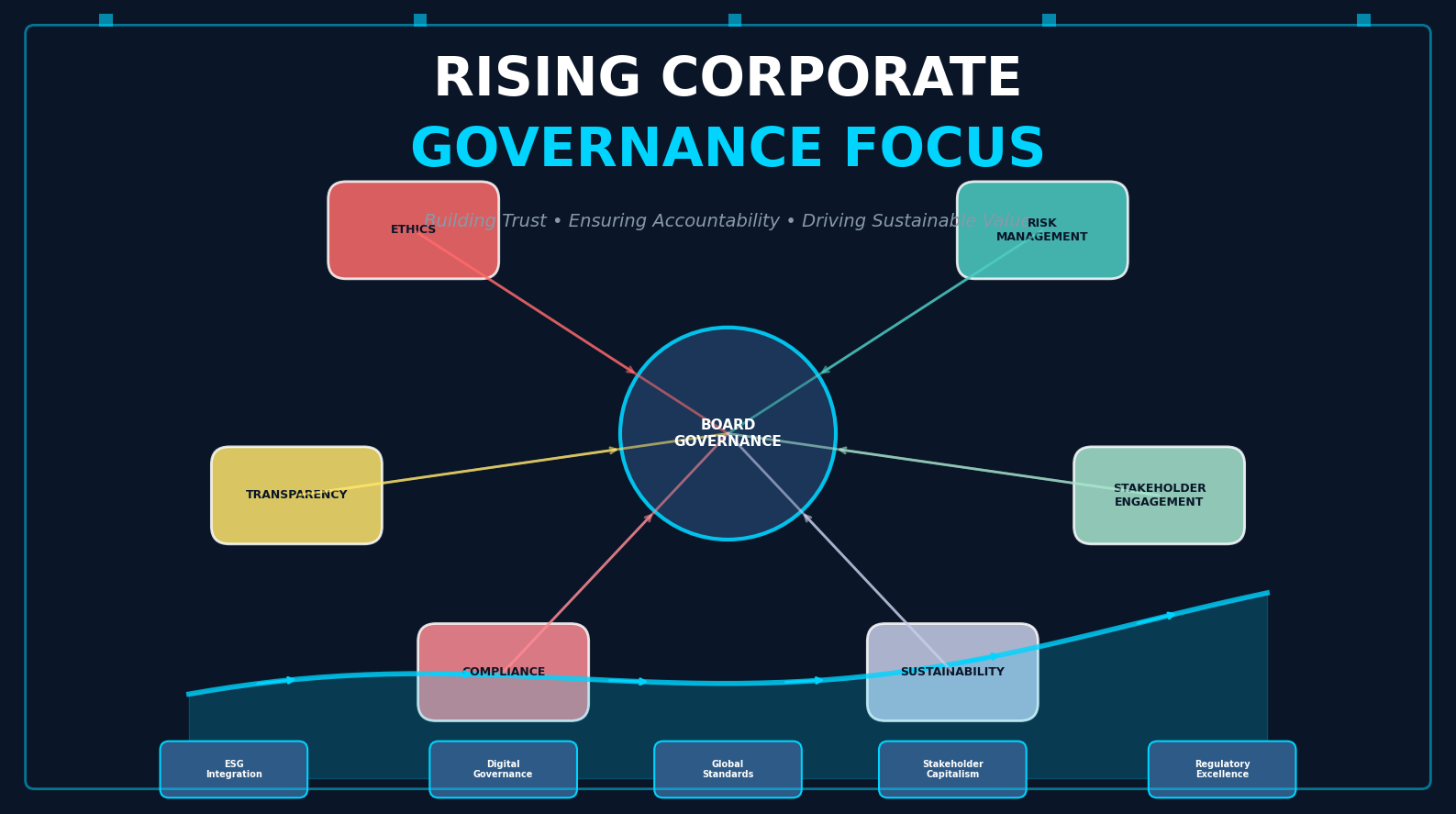
Why Corporate Governance Suddenly Matters More Than Ever
The Wake-Up Call Nobody Saw Coming
Remember when companies could pretty much do whatever they wanted as long as the quarterly numbers looked good? Those days are gone, and they aren’t coming back. Something fundamental has shifted in how businesses operate, how investors think, and what society expects from corporations. We’re living through a genuine transformation in corporate accountability—and most leaders are still catching up.
Walk into any boardroom today, and you’ll hear conversations that would have been unthinkable fifteen years ago. Directors aren’t just talking about earnings per share anymore. They’re debating climate risks, supply chain ethics, data privacy, and whether their executive pay structures actually reward long-term thinking. This isn’t window dressing. It’s a complete rewiring of how companies make decisions and who gets a say in those decisions.
The catalysts for this shift are impossible to ignore. When Enron imploded in 2001, it wiped out $74 billion in shareholder value and destroyed 20,000 jobs. The Sarbanes-Oxley Act followed, forcing companies to take financial reporting seriously. But the 2008 financial crisis proved that rules alone couldn’t prevent catastrophe. Banks with sophisticated compliance departments still bet the house on toxic mortgages, nearly taking the global economy with them.
Since then, the pressure has only intensified. Social media means corporate missteps go viral in minutes, not days. Younger employees want to work for companies that share their values. Large institutional investors—the BlackRocks and Vanguards of the world—now vote against boards that don’t take environmental and social issues seriously. And regulators worldwide are writing new rules faster than companies can adapt.
What we’re witnessing isn’t just another compliance exercise. It’s a redefinition of what it means to run a successful business.
What Good Governance Actually Looks Like
Let’s cut through the jargon. Corporate governance, at its core, is about answering one question: Who decides what, and who holds them accountable? In practice, this plays out across several dimensions that every business leader needs to understand.
The Board as Genuine Overseer
Too many boards function as rubber stamps for management. Effective boards operate differently. They ask hard questions, demand real information, and aren’t afraid to push back against the CEO.
This requires the right people in the room. Independent directors—those without material financial ties to the company—should dominate key committees handling audits, executive pay, and board nominations. They bring outside perspective and aren’t beholden to management. But independence alone isn’t enough. You need directors who understand cybersecurity, who can read a balance sheet, who grasp climate science well enough to evaluate risk exposure. The best boards regularly assess their own capabilities and recruit to fill gaps.
Board refreshment matters more than most companies admit. When the same ten people sit around the table for a decade, groupthink sets in. Fresh voices prevent that—but you need to balance new perspectives with institutional knowledge.
Pay That Aligns Incentives
Executive compensation has become a flashpoint, and for good reason. When CEOs cash out massive stock options based on short-term price spikes, then watch the company crater later, something is broken. Shareholders notice, and they’re increasingly angry.
The fix isn’t simple, but the principles are clear. Performance metrics should span multiple years, not quarters. Equity awards should vest gradually, with holding requirements that prevent immediate cash-outs. Clawback provisions should recover pay when financial results are restated due to misconduct. And the entire philosophy—how pay is set, what benchmarks are used, what outcomes actually occurred—needs transparent disclosure.
Building a Culture Where People Speak Up
You can have perfect policies on paper and still have a toxic culture. The difference shows up when something goes wrong. Does the employee who spots accounting irregularities feel safe reporting it? Or do they keep quiet because the last person who raised concerns was managed out?
Real governance requires psychological safety. Anonymous reporting hotlines help, but only if people trust them. Ombudsman programs, regular ethics training, and visible non-retaliation when concerns are raised—these build the culture where governance actually lives.
Balancing All Stakeholders
The old shareholder primacy model—maximize returns to owners above all else—has lost its dominance. Not because shareholders don’t matter, but because long-term shareholder value depends on treating employees fairly, keeping customers satisfied, maintaining supplier relationships, and preserving community license to operate. Smart boards understand these connections and weigh them in decisions.
The Hard Business Case
Skeptics treat governance as a cost center. The data tells a different story.
Companies with strong governance practices borrow more cheaply. Investors accept lower returns when governance reduces their risk. Well-governed firms make better operational decisions—less waste, better capital allocation, fewer catastrophic mistakes. During crises, they recover faster because stakeholders trust them. And when acquisition time comes, buyers pay premiums for targets that won’t surprise them with hidden liabilities post-close.
The risk prevention angle deserves more attention than it gets. Strong internal controls catch fraud early. Independent audit committees ask the questions that prevent restatements. Whistleblower protections surface problems before they metastasize. These aren’t theoretical benefits—they’re the difference between a manageable issue and a front-page scandal that destroys careers and companies.
How Standards Are Converging Globally
Governance used to vary wildly by country. While differences remain, the trend is toward common principles.
The OECD’s governance guidelines influence legislation from Brazil to South Korea. The IFC provides roadmaps for emerging market companies seeking international investment. The UN Global Compact connects human rights, labor standards, and environmental protection to corporate strategy.
Regional flavors persist. Anglo-American markets emphasize shareholder rights, proxy advisors, and activist investors. European models incorporate worker representation through works councils and co-determination. Asian governance must address family control, succession planning, and protection of minority shareholders. But the direction is clear: more transparency, more accountability, more stakeholder consideration.
Making Governance Work in Practice
Getting the Board Right
Start with honest assessment. What skills does your board actually have? What’s missing in cybersecurity, sustainability, digital transformation, global markets? Recruit to fill those gaps, then invest in ongoing education. Regulatory developments, industry trends, and governance innovations move fast—directors need to keep up.
Evaluate performance annually. External facilitation helps; people are more candid with outsiders. And plan succession deliberately. The CEO pipeline shouldn’t be a surprise to anyone.
Fixing Executive Pay
Move beyond EPS targets. Build balanced scorecards that include operational health, sustainability progress, and strategic milestones. Stretch out vesting periods. Require executives to hold meaningful equity stakes. Disclose everything—how pay is set, why specific benchmarks were chosen, what actually happened versus what was projected.
Engaging For Real
Investor relations shouldn’t mean managing quarterly expectations. It means genuine dialogue about governance concerns, sustainability strategy, and capital allocation priorities. Employees need channels beyond the annual survey—advisory boards, town halls, mechanisms that actually influence decisions. Communities deserve consultation before major changes affect them.
Technology’s Double-Edged Sword
Digital tools transform governance—for better and worse.
Board portals streamline document distribution and decision documentation. Real-time dashboards let directors monitor risks proactively. AI can analyze contracts, flag compliance issues, and model scenarios. Blockchain offers supply chain transparency and secure shareholder voting.
But technology also creates new vulnerabilities. Cybersecurity has become a core governance issue. Directors need enough literacy to evaluate management’s preparedness and response capabilities. Third-party risks multiply as supply chains digitize. The board’s oversight must extend to vendors and partners.
ESG: From Buzzword to Boardroom Reality
Climate as Financial Risk
Climate change isn’t a future problem—it’s affecting balance sheets now. Boards need to understand physical risks (floods, fires, supply disruptions) and transition risks (policy changes, technology shifts, stranded assets). Scenario analysis helps. So do credible net-zero commitments with interim milestones, not distant promises. The TCFD framework is becoming mandatory in many jurisdictions; smart companies are ahead of the requirement.
The Social Dimension
Human capital management has entered the boardroom. Diversity isn’t about optics—it’s about decision quality and talent retention. Supply chain monitoring prevents complicity in labor abuses that would destroy reputation. Regular pay equity analysis and remediation demonstrates fairness that employees and customers notice.
The Regulatory Squeeze Intensifies
The SEC is moving toward mandatory climate disclosure, including detailed emissions reporting. The EU’s Corporate Sustainability Reporting Directive expands both scope and granularity. Dodd-Frank enhancements target executive compensation clawbacks and hedging prohibitions.
Enforcement is getting personal. Directors and officers face heightened individual liability. Compliance programs must evolve with risk profiles to be credible. But voluntary self-disclosure and genuine remediation still earn cooperation credits when problems surface.
Navigating the Hard Stuff
Short-Termism Pressure
Quarterly earnings expectations haven’t disappeared. But companies can build investor bases that understand long-term strategy. They can use structural protections (dual-class shares, staggered boards) where appropriate. And they can emphasize multi-year performance periods in compensation that reward strategic execution, not stock price manipulation.
Activist Investors
Not all activism is destructive. Early engagement with significant shareholders prevents public confrontations. Regular vulnerability assessments and prepared response teams ensure strategic positioning. Most importantly, companies need clear narratives about how governance supports value creation—narratives that differentiate constructive dialogue from value destruction.
Family Business Challenges
Founder-controlled companies face distinct issues. Professionalization requires bringing in independent voices as the business scales. Succession planning must prepare next generations and integrate non-family executives. Related-party transactions need rigorous approval processes and full disclosure to prevent conflicts that minority shareholders won’t tolerate.
Measuring What Matters
Governance quality can be assessed. ESG ratings from MSCI, Sustainalytics, and ISS influence capital flows. External board evaluations benchmark against peers. Proxy advisor guidelines shape voting outcomes.
Specific metrics tell the story: board diversity percentages, director attendance rates, shareholder proposal support levels, ethics hotline utilization and resolution rates, audit finding remediation timelines, pay-for-performance alignment, stakeholder satisfaction scores. Track them, report them, improve them.
Where This Is Heading
Purpose-driven governance is gaining legal traction—frameworks that explicitly permit stakeholder-oriented purpose statements. Decentralized autonomous organizations experiment with blockchain-based governance that challenges traditional corporate structures. Real-time transparency may replace periodic reporting. AI governance—algorithmic accountability, ethical frameworks—becomes a board responsibility.
Leading companies are developing anticipatory capabilities. Scenario planning explores governance implications of geopolitical, technological, and environmental disruptions. Early warning systems spot governance deterioration before it becomes crisis. Adaptive capacity enables rapid evolution as expectations shift.
Getting Started: A Practical Roadmap
Phase One: Honest Assessment
Benchmark current practices against leaders. Identify regulatory requirements and stakeholder expectations. Assess board composition, processes, and effectiveness. Evaluate risk management and internal controls. Review compensation structures and their actual alignment with performance.
Phase Two: Strategy Development
Define governance vision connected to corporate strategy. Prioritize improvements based on risk and impact. Establish clear committee charters and responsibilities. Set implementation timelines with real accountability. Plan communication for internal and external audiences.
Phase Three: Execute and Monitor
Implement board renewal and development. Deploy technology that enables efficient oversight. Establish metrics and reporting for governance effectiveness. Evaluate regularly and improve continuously. Maintain genuine dialogue with investors, regulators, and other stakeholders.
Resources That Actually Help
| Organization | What They Do | How to Reach Them | |
|---|---|---|---|
| U.S. Securities and Exchange Commission | Regulates securities markets, encloses disclosure requirements | www.sec.gov | (202) 551-8090 |
| Financial Industry Regulatory Authority | Oversees brokerage firms and exchange markets | www.finra.org | (301) 590-6500 |
| Public Company Accounting Oversight Board | Sets auditing standards, inspects firms | www.pcaobus.org | (202) 207-9100 |
| National Association of Corporate Directors | Board education, resources, peer learning | www.nacdonline.org | Member services via website |
| Ethics & Compliance Initiative | Research, training, ethics program support | www.ethics.org | (703) 647-2185 |
| Institutional Shareholder Services | Proxy advisory, governance analytics | www.issgovernance.com | Client services via website |
| Conference Board | Governance research, executive conferences | www.conference-board.org | Event and publication inquiries via website |
The Bottom Line
Governance isn’t a burden—it’s how sustainable businesses operate. The companies treating it as checkbox compliance are falling behind. Those embracing it as strategic advantage are winning on every metric that matters.
This shift isn’t temporary. Regulatory pressure will increase. Stakeholder expectations will evolve. Technology will create new possibilities and new risks. The organizations building genuine governance capabilities now—proactively, not reactively—will lead their industries. Those waiting for the next scandal to force change may not survive it.
The choice belongs to today’s leaders. The responsibility is theirs. The opportunity is real.
For ongoing updates on governance developments, visit our home page. Click Here
Disclaimer:
his article provides general educational information about corporate governance trends and practices. It does not constitute legal, financial, investment, or professional advice. Specific governance decisions require consultation with qualified attorneys, accountants, and advisors familiar with your jurisdiction and circumstances. The author and publisher disclaim liability for actions taken based on this content. Governance practices must be adapted to specific organizational contexts, applicable laws, and industry requirements.